Clermont Ferrand France Map
With enthusiasm, let’s navigate through the intriguing topic related to Gyeonggi-do: The Heartbeat of Modern Korea. Let’s weave interesting information and offer fresh perspectives to the readers.
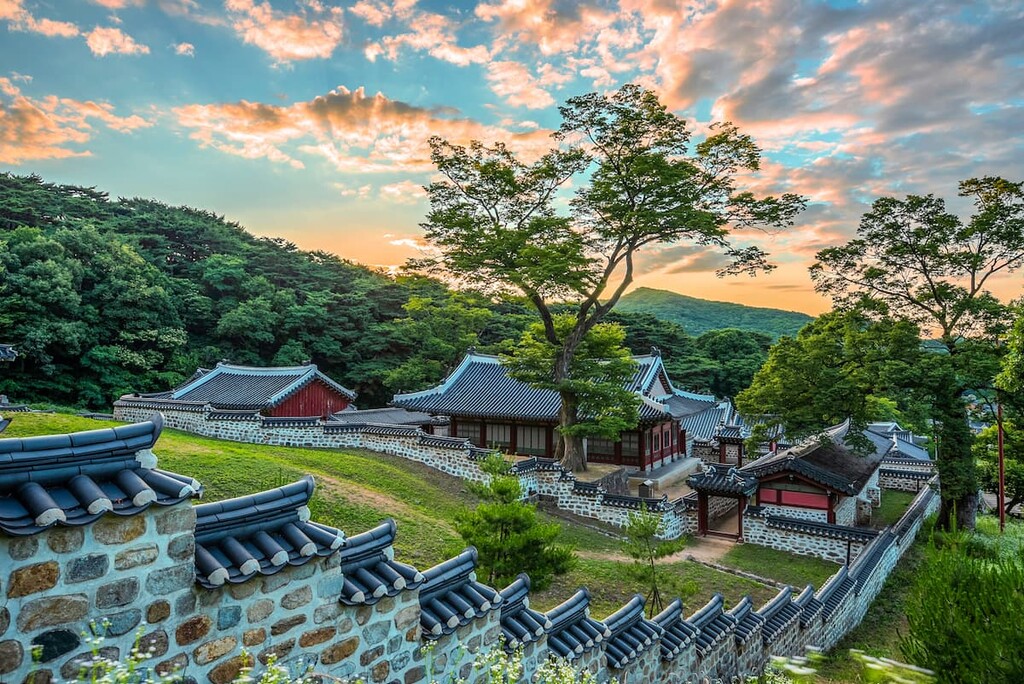
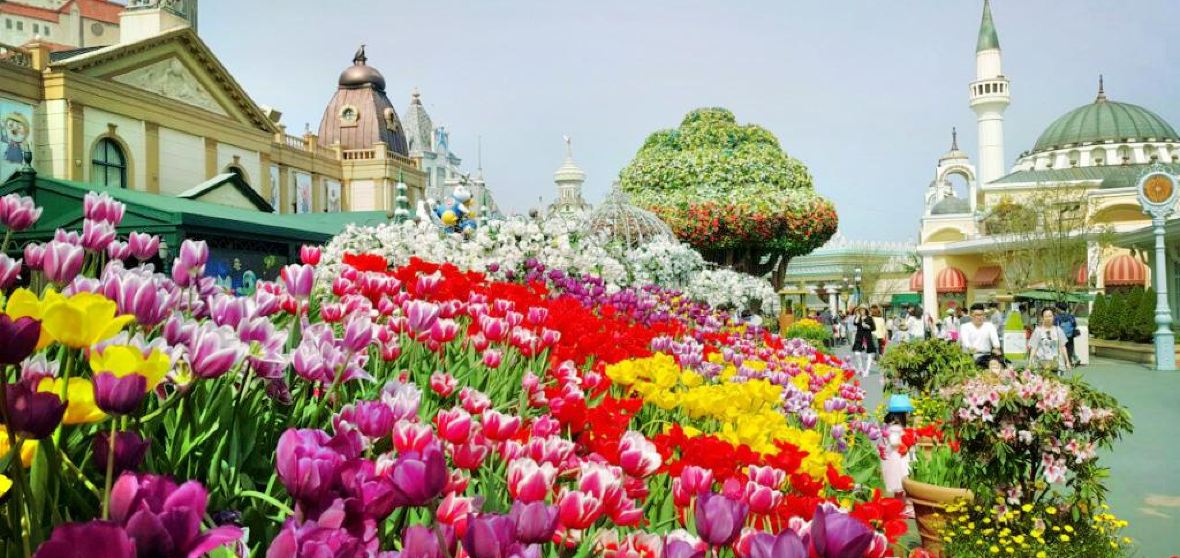
Gyeonggi-do, the province surrounding Seoul, is a dynamic and multifaceted region that plays a vital role in South Korea’s economic, cultural, and social landscape. Its strategic location, diverse topography, and rich history contribute to its significance, making it a fascinating subject for study and exploration. This article delves into the geographical, historical, and cultural aspects of Gyeonggi-do, highlighting its importance in the broader context of South Korea.
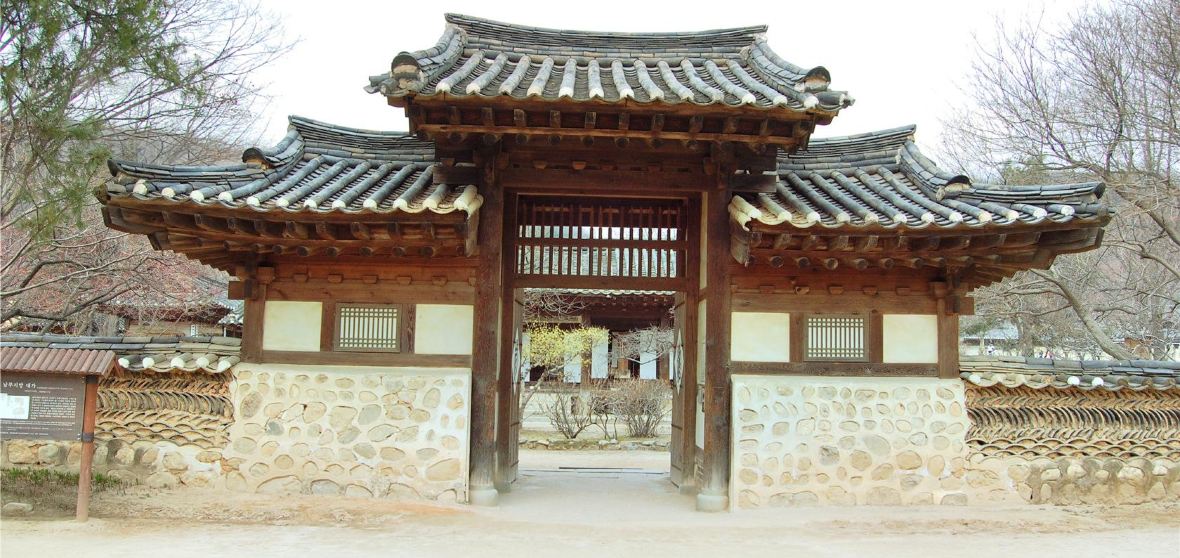
Gyeonggi-do, meaning "province of the capital," is geographically positioned around Seoul, the nation’s capital. It encompasses a diverse landscape ranging from the mountainous regions of the north to the coastal plains in the west, encompassing the Imjin River and the Han River. The province’s terrain is characterized by rolling hills, fertile valleys, and a significant coastline along the Yellow Sea. This varied topography has shaped the province’s history, influencing its agricultural practices, transportation routes, and cultural development.

Gyeonggi-do boasts a rich history deeply intertwined with the Korean peninsula’s past. Its strategic location has made it a focal point for numerous historical events and empires. From the Joseon Dynasty, which established Seoul as its capital, to the tumultuous period of the Korean War, Gyeonggi-do has witnessed significant historical milestones that have shaped the nation’s identity.

Gyeonggi-do is the economic powerhouse of South Korea, driving the nation’s growth and prosperity. Its proximity to Seoul, the country’s economic center, has fostered a thriving industrial and commercial landscape. The province is home to numerous multinational corporations, high-tech industries, and research and development centers.

Beyond its economic prowess, Gyeonggi-do is a vibrant cultural hub, brimming with artistic expression and traditional heritage. The province is known for its:

Gyeonggi-do is experiencing rapid urbanization, with the development of new cities and satellite towns around Seoul. This growth has led to significant infrastructure development, including:
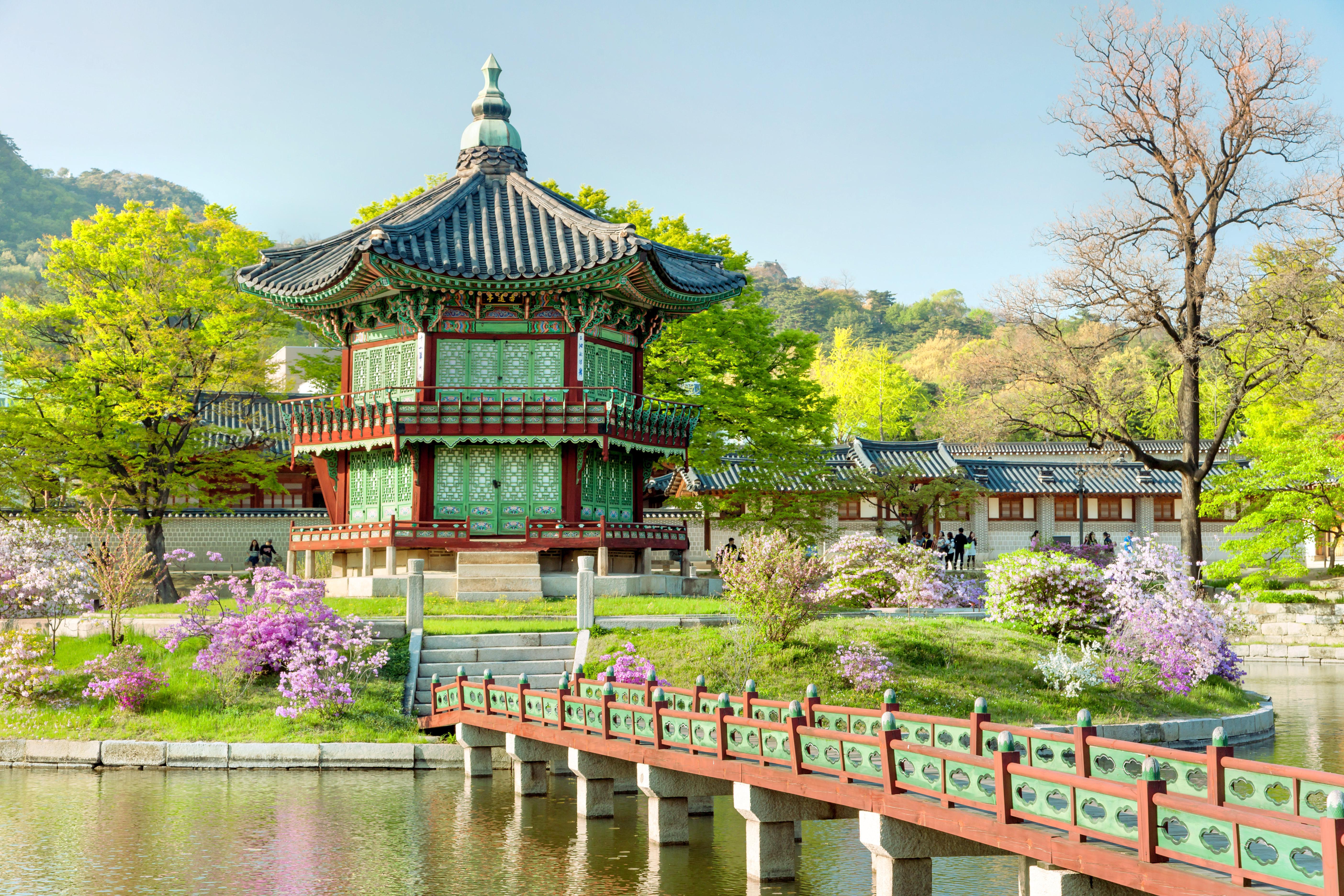
Gyeonggi-do’s significance extends beyond its economic and cultural contributions. The province plays a crucial role in:

Gyeonggi-do is one of the most populous provinces in South Korea, with a population exceeding 13 million.
Popular tourist attractions in Gyeonggi-do include Suwon Hwaseong Fortress, Everland theme park, Nami Island, and the DMZ.
Gyeonggi-do is easily accessible by air, rail, and road. Incheon International Airport serves as the primary gateway, while the KTX high-speed rail network connects the province to major cities across the country.
The cost of living in Gyeonggi-do varies depending on the location and lifestyle. However, it is generally considered higher than in other provinces due to its proximity to Seoul.
Gyeonggi-do is a dynamic and multifaceted province that plays a vital role in South Korea’s economic, cultural, and social landscape. Its strategic location, diverse topography, rich history, and commitment to progress make it a fascinating and important region. From its historical landmarks to its thriving industries, Gyeonggi-do offers a glimpse into the heart of modern Korea, showcasing the nation’s dynamism and resilience.

Thus, we hope this article has provided valuable insights into Gyeonggi-do: The Heartbeat of Modern Korea. We thank you for taking the time to read this article. See you in our next article!
Your email address will not be published.